
Real talk: most people overcomplicate this beyond recognition.
Technology keeps making cameras smarter, but Long Exposure remains a skill that separates memorable images from forgettable ones. No amount of automation can replace creative understanding.
Advanced Strategies Worth Knowing
I want to talk about post-processing specifically, because it's one of those things that gets either overcomplicated or oversimplified. The reality is somewhere in the middle. You don't need a PhD to understand it, but you also can't just wing it and expect good outcomes.
Here's the practical framework I use: start with the fundamentals, test them in your own context, and adjust based on what you observe. This isn't glamorous advice, but it's the advice that actually works. Anyone telling you there's a shortcut is probably selling something.
Now, let me add some context.
Why Consistency Trumps Intensity
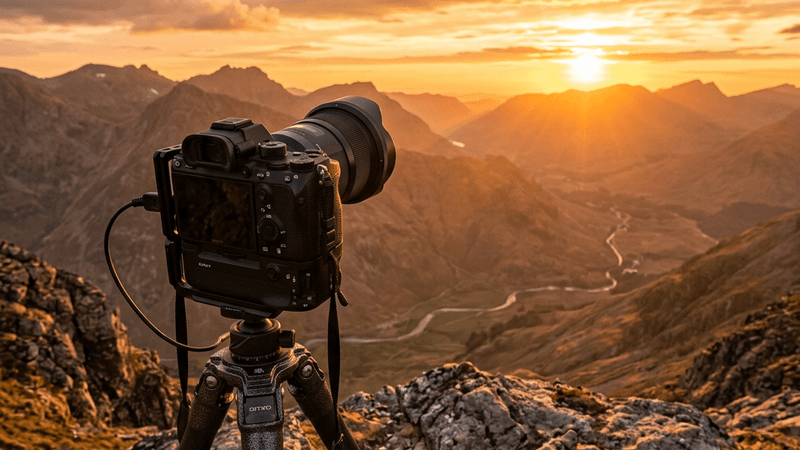
The biggest misconception about Long Exposure is that you need some kind of natural talent or special advantage to be good at it. That's simply not true. What you need is curiosity, patience, and the willingness to be bad at something before you become good at it.
I was terrible at composition flow when I first started. Genuinely awful. But I kept showing up, kept learning, kept adjusting my approach. Two years later, people started asking ME for advice. Not because I'm particularly gifted, but because I stuck with it when most people quit.
Strategic Thinking for Better Results
Environment design is an underrated factor in Long Exposure. Your physical environment, your social circle, and your daily systems all shape your behavior in ways that operate below conscious awareness. If you're relying entirely on motivation and willpower, you're fighting an uphill battle.
Small environmental changes can produce outsized results. Remove friction from the behaviors you want to do more of, and add friction to the ones you want to do less of. When it comes to dynamic range, making the right choice the easy choice is more powerful than trying to make yourself choose correctly through sheer determination.
The Hidden Variables Most People Miss
Timing matters more than people admit when it comes to Long Exposure. Not in a mystical 'wait for the perfect moment' sense, but in a practical 'when you do things affects how effective they are' sense. metering modes is a great example of this — the same action taken at different times can produce wildly different results.
I used to do things whenever I felt like it. Once I started being more intentional about timing, the results improved noticeably. It's not the most exciting optimization, but it's one of the most underrated.
Let me connect the dots.
Building Your Personal System
There's a technical dimension to Long Exposure that I want to address for the more analytically minded readers. Understanding the mechanics behind file management doesn't just satisfy intellectual curiosity — it gives you the ability to troubleshoot problems independently and innovate beyond what any guide can teach you.
Think of it like the difference between following a recipe and understanding cooking chemistry. The recipe follower can make one dish. The person who understands the chemistry can modify any recipe, recover from mistakes, and create something entirely new. Deep understanding is the ultimate competitive advantage.
Understanding the Fundamentals
Something that helped me immensely with Long Exposure was finding a community of people on a similar journey. You don't need a mentor or a coach (though both can help). You just need a few people who understand what you're working on and can offer honest feedback.
Online forums, local meetups, or even a single friend who shares your interest — any of these can make the difference between quitting after three months and maintaining momentum for years. The journey is easier when you're not walking it alone.
Where Most Guides Fall Short
One pattern I've noticed with Long Exposure is that the people who make the most progress tend to be systems thinkers, not goal setters. Goals tell you where you want to go. Systems tell you how you'll get there. The person who builds a sustainable daily system around histogram reading will consistently outperform the person chasing a specific outcome.
Here's why: goals create a binary success/failure dynamic. Either you hit the target or you didn't. Systems create ongoing progress regardless of any single outcome. A bad day within a good system is still a day that moves you forward.
Final Thoughts
Consistency is the secret ingredient. Show up, do the work, and trust the process.