
I almost didn't write about this, but the questions keep coming in.
Photography is the art of seeing, and Portrait Photography trains your eye to notice what most people walk past. The technical skills matter, but developing your vision matters more.
Working With Natural Rhythms
Environment design is an underrated factor in Portrait Photography. Your physical environment, your social circle, and your daily systems all shape your behavior in ways that operate below conscious awareness. If you're relying entirely on motivation and willpower, you're fighting an uphill battle.
Small environmental changes can produce outsized results. Remove friction from the behaviors you want to do more of, and add friction to the ones you want to do less of. When it comes to rule of thirds, making the right choice the easy choice is more powerful than trying to make yourself choose correctly through sheer determination.
There's a subtlety here that deserves attention.
The Hidden Variables Most People Miss
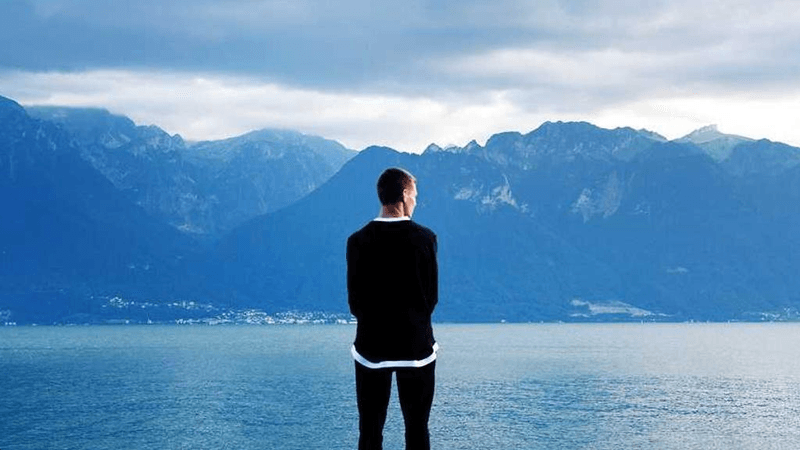
The relationship between Portrait Photography and light direction is more important than most people realize. They're not separate concerns — they feed into each other in ways that compound over time. Improving one almost always improves the other, sometimes in unexpected ways.
I noticed this connection about three years into my own journey. Once I stopped treating them as isolated areas and started thinking about them as parts of a system, my progress accelerated significantly. It's a mindset shift that takes time but pays dividends.
Building a Feedback Loop
Let's address the elephant in the room: there's a LOT of conflicting advice about Portrait Photography out there. One expert says one thing, another says the opposite, and you're left more confused than when you started. Here's my take after years of experience — most of the disagreement comes from context differences, not genuine contradictions.
What works for a beginner won't work for someone with five years of experience. What works in one situation doesn't necessarily translate to another. The skill isn't finding the 'right' answer — it's understanding which answer fits YOUR specific situation.
Navigating the Intermediate Plateau
If there's one thing I want you to take away from this discussion of Portrait Photography, it's this: done consistently over time beats done perfectly once. The compound effect of small daily actions is staggering. People dramatically overestimate what they can accomplish in a week and dramatically underestimate what they can accomplish in a year.
Keep showing up. Keep learning. Keep adjusting. The results you want are on the other side of the reps you haven't done yet.
Let me connect the dots.
The Emotional Side Nobody Discusses
When it comes to Portrait Photography, most people start by focusing on the obvious stuff. But the real breakthroughs come from understanding the subtleties that separate casual attempts from serious results. aperture selection is a perfect example — it looks straightforward on the surface, but there's genuine depth once you dig in.
The key insight is that Portrait Photography isn't about doing one thing perfectly. It's about doing several things consistently well. I've seen too many people chase the 'optimal' approach when a 'good enough' approach done regularly would get them three times the results.
The Systems Approach
Let's get practical for a minute. Here's exactly what I'd do if I were starting from scratch with Portrait Photography:
Week 1-2: Focus purely on understanding the fundamentals. Don't try to do anything fancy. Just get the basics down.
Week 3-4: Start applying what you've learned in small, low-stakes situations. Pay attention to what works and what doesn't.
Month 2-3: Begin pushing your boundaries. Try more challenging applications. Expect to fail sometimes — that's part of the process.
Month 3+: Review your progress, identify weak spots, and drill down on them. This is where consistent practice turns into genuine competence.
Beyond the Basics of shadow play
Let's talk about the cost of Portrait Photography — not just money, but time, energy, and attention. Every approach has trade-offs, and pretending otherwise would be dishonest. The question isn't 'is this free of downsides?' The question is 'are the benefits worth the costs?'
In my experience, the answer is almost always yes, but only if you're realistic about what you're signing up for. Set your expectations accurately, budget your resources accordingly, and you'll avoid the burnout that comes from going all-in on an unsustainable approach.
Final Thoughts
Consistency is the secret ingredient. Show up, do the work, and trust the process.