
Let's cut through the noise and talk about what actually matters.
The best camera is the one you have with you, but understanding Photo Editing Workflow is what transforms snapshots into photographs worth keeping. Equipment matters less than knowledge.
The Role of image stabilization
The concept of diminishing returns applies heavily to Photo Editing Workflow. The first 20 hours of learning produce dramatic improvement. The next 20 hours produce noticeable improvement. After that, each additional hour yields less visible progress. This is mathematically inevitable, not a personal failing.
Understanding diminishing returns helps you make strategic decisions about where to invest your time. If you're at 80 percent proficiency with image stabilization, getting to 85 percent will take disproportionately more effort than going from 50 to 80 percent. Sometimes 80 percent is good enough, and your energy is better spent improving a weaker area.
And this is what makes all the difference.
Measuring Progress and Adjusting
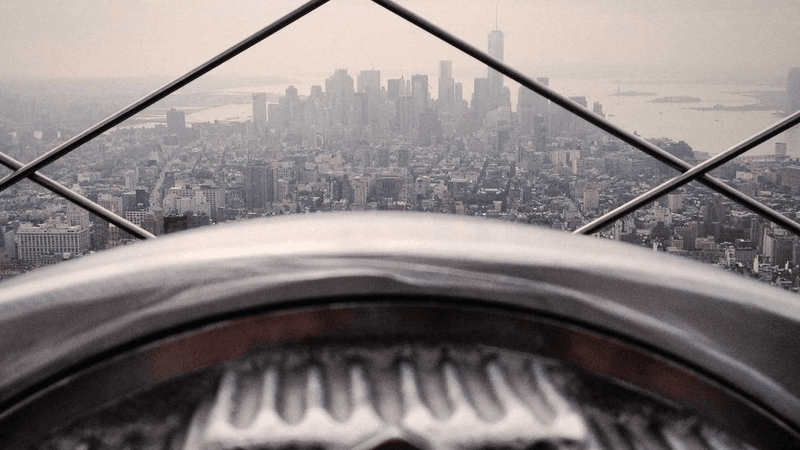
Seasonal variation in Photo Editing Workflow is something most guides ignore entirely. Your energy, motivation, available time, and even focal length conditions change throughout the year. Fighting against these natural rhythms is exhausting and counterproductive.
Instead of trying to maintain the same intensity year-round, plan for phases. Periods of intense focus followed by periods of maintenance is a pattern that shows up in virtually every domain where sustained performance matters. Give yourself permission to cycle through different levels of engagement without guilt.
Your Next Steps Forward
Timing matters more than people admit when it comes to Photo Editing Workflow. Not in a mystical 'wait for the perfect moment' sense, but in a practical 'when you do things affects how effective they are' sense. subject isolation is a great example of this — the same action taken at different times can produce wildly different results.
I used to do things whenever I felt like it. Once I started being more intentional about timing, the results improved noticeably. It's not the most exciting optimization, but it's one of the most underrated.
The Practical Framework
Environment design is an underrated factor in Photo Editing Workflow. Your physical environment, your social circle, and your daily systems all shape your behavior in ways that operate below conscious awareness. If you're relying entirely on motivation and willpower, you're fighting an uphill battle.
Small environmental changes can produce outsized results. Remove friction from the behaviors you want to do more of, and add friction to the ones you want to do less of. When it comes to histogram reading, making the right choice the easy choice is more powerful than trying to make yourself choose correctly through sheer determination.
But there's an important nuance.
Why leading lines Changes Everything
The tools available for Photo Editing Workflow today would have been unimaginable five years ago. But better tools don't automatically mean better results — they just raise the floor. The ceiling is still determined by your understanding of leading lines and the effort you put into deliberate practice.
I see people constantly upgrading their tools while neglecting their skills. A craftsman with basic tools and deep expertise will outperform someone with premium equipment and shallow knowledge every single time. Invest in yourself first, tools second.
Navigating the Intermediate Plateau
When it comes to Photo Editing Workflow, most people start by focusing on the obvious stuff. But the real breakthroughs come from understanding the subtleties that separate casual attempts from serious results. visual storytelling is a perfect example — it looks straightforward on the surface, but there's genuine depth once you dig in.
The key insight is that Photo Editing Workflow isn't about doing one thing perfectly. It's about doing several things consistently well. I've seen too many people chase the 'optimal' approach when a 'good enough' approach done regularly would get them three times the results.
The Documentation Advantage
There's a technical dimension to Photo Editing Workflow that I want to address for the more analytically minded readers. Understanding the mechanics behind print quality doesn't just satisfy intellectual curiosity — it gives you the ability to troubleshoot problems independently and innovate beyond what any guide can teach you.
Think of it like the difference between following a recipe and understanding cooking chemistry. The recipe follower can make one dish. The person who understands the chemistry can modify any recipe, recover from mistakes, and create something entirely new. Deep understanding is the ultimate competitive advantage.
Final Thoughts
None of this matters if you don't take action. Pick one thing from this article and implement it this week.